Travel Security and Scam Awareness for Safer Trips
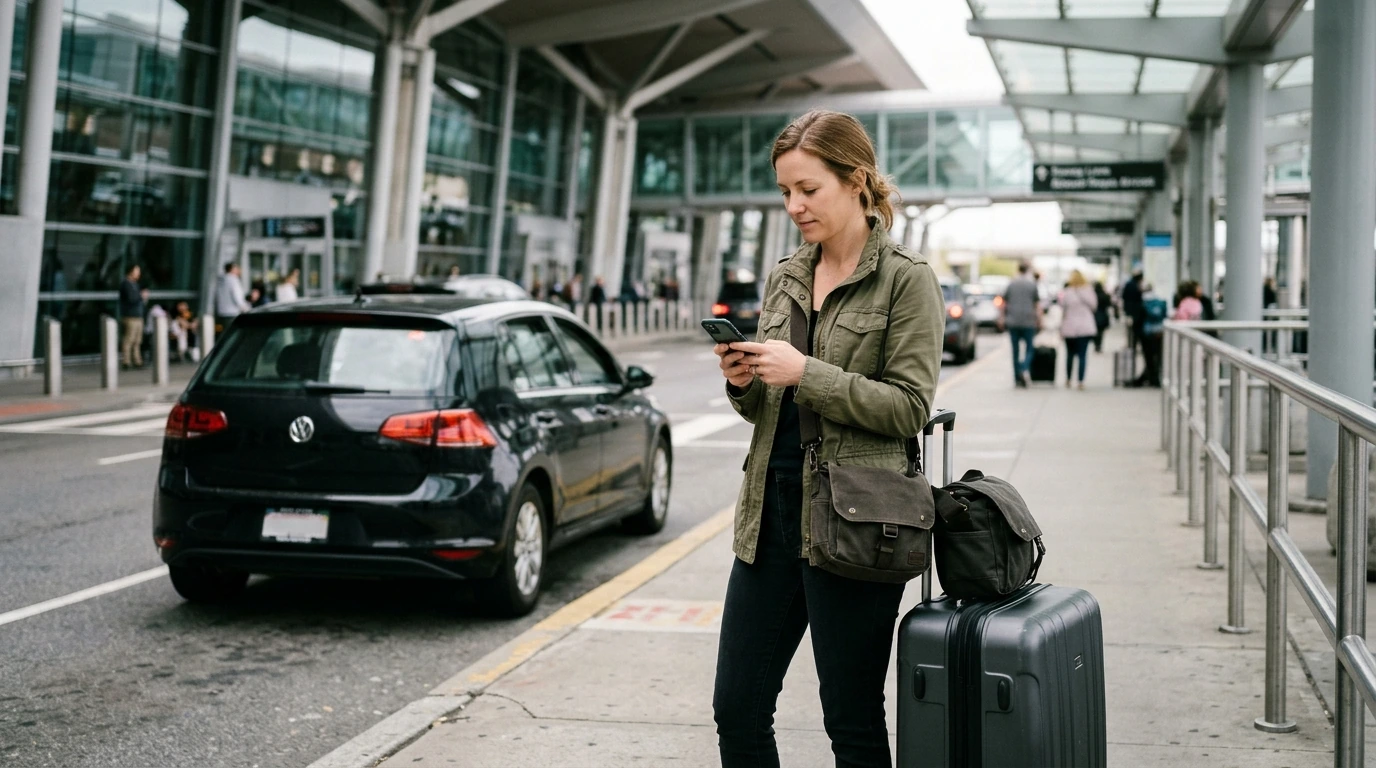
Travel safety is less about anticipating every possible problem and more about making a series of manageable decisions. Confirming a ride, keeping emergency contacts accessible, and protecting your accounts can help you respond calmly when plans change.
Whether you’re sightseeing, traveling solo, or heading to a business meeting, our Travel Security & Scam Awareness Guide is a digital companion for building awareness before and during your trip.
Prepare Before You Leave
Start with current advice for your destination. The U.S. Department of State’s international travel resources provide destination information and travel advisories. Review local entry requirements, transportation guidance, and relevant health information close to your departure date, since conditions can change.
Save the local emergency number, your accommodation’s contact information, and contact details for the nearest U.S. embassy or consulate if you’re traveling internationally. Keep a copy somewhere you can reach without relying solely on your phone.
Share your itinerary with someone you trust, including flight details, lodging, and any major changes. Keep secure copies of essential documents separate from the originals. Avoid sending sensitive document images through an unsecured public channel.
We recommend using our digital handbook as part of this preparation. It can help you make scam awareness a routine consideration alongside packing and booking transportation.
Recognize Common Travel Scams
Some scams rely on urgency: a stranger offers an unofficial taxi, someone creates a distraction while an accomplice reaches for a bag, or a seller insists you must pay an unexpected fee immediately. None of these situations automatically proves fraud, but pressure is a good reason to pause.
Step away when you can, confirm the request independently, and use an official booking or payment channel. If someone claims to represent your hotel or a ticket provider, contact that business using a number or website you found yourself—not one supplied in the suspicious message.
Suspicious situations can arise anywhere. Staying alert doesn’t mean avoiding every conversation; it means giving yourself permission to verify information and decline offers that make you uncomfortable.
Common Situations and Safer Responses
| Situation | Warning sign | Safer response |
|---|---|---|
| Airport transport | A driver pressures you to accept an unverified ride | Use an official taxi rank or a verified booking |
| Attraction tickets | A seller claims an unexpected fee must be paid immediately | Check prices and policies through the venue |
| Unexpected message | A message asks for account details or urgent payment | Contact the provider through its official channel |
In crowded places, keep your bag closed and your valuables where you can monitor them. If someone bumps into you or asks for help, take a moment to check your belongings without assuming every accident is a scam.
Protect Your Devices and Accounts
Before leaving, update your phone, laptop, and important apps. Use a strong, unique password for each account and turn on multifactor authentication where available. The Cybersecurity and Infrastructure Security Agency’s Secure Our World resources offer additional guidance on account and device security.
Avoid signing in to sensitive accounts or making financial transactions on shared devices. Treat unexpected login alerts, payment requests, and account-recovery messages cautiously, even if they appear to come from a familiar company. Open the company’s official app or website separately to check.
Prepare for a lost phone before you need to. Enable its remote-lock feature, record your account recovery options in a secure place, and know how to contact your mobile carrier. Consider how you’ll access reservation details and authentication codes if your primary device is unavailable.
Adjust Your Routine to Your Trip
Solo travel
Arrange regular check-ins with a trusted contact and agree on what they should do if they can’t reach you. Before an evening out, identify a practical route back to your accommodation and keep enough payment options available for the journey.
Business travel
Follow your employer’s security policies for devices, accounts, and confidential information. Keep work equipment with you when practical, lock screens when stepping away, and avoid discussing sensitive matters where others can overhear.
Sightseeing
Confirm opening hours, transport routes, and official ticket sources before you set out. Save the venue’s address and return route so you don’t have to make rushed decisions if your connection is unreliable or a service changes.
Keep a Safety Resource Close
Our Travel Security & Scam Awareness Guide is a practical digital handbook for tourists, solo travelers, and business travelers. It’s listed at $10.99 and can be a useful addition to your trip preparations. Pair general guidance with current advice for your destination rather than relying on a single resource.
For another part of planning, our Healthy Meal Plan & Recipe Collection offers meal plans and recipes you can use when preparing food before or after a trip. Our team recommends choosing resources that support the decisions you actually need to make.
FAQ
What is a common travel scam?
One common scam involves an unofficial driver pressuring you into an overpriced ride. Use a verified booking or an official taxi rank instead.
How can travelers protect their accounts while abroad?
Use unique passwords, enable multifactor authentication, and keep your devices updated. Verify unexpected payment or login requests through the provider’s official channel.
Who is the travel security guide for?
Our guide is intended for tourists, solo travelers, and business travelers.















Leave a comment